

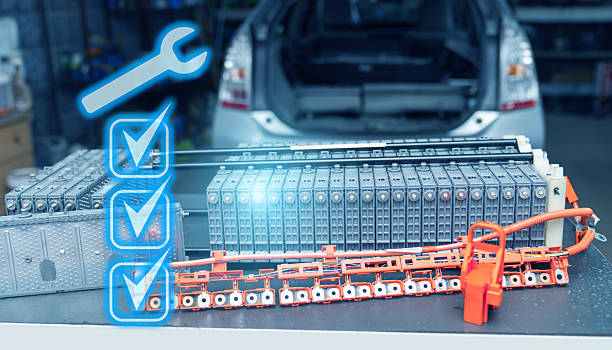

Electric vehicles (EVs) are becoming increasingly popular in India, thanks to rising fuel prices, government incentives, and growing environmental awareness. While EVs offer lower running costs compared to petrol or diesel cars, one major concern among buyers is the battery replacement cost.
If you’re planning to buy an electric car or already own one, understanding the electric car battery replacement cost in India is essential. In this detailed guide, we’ll break down everything you need to know—from actual costs and factors affecting pricing to battery lifespan and money-saving tips.
Why Is the Battery So Important in an Electric Car?
The battery is the heart of an electric vehicle. Unlike traditional cars that rely on internal combustion engines, EVs run entirely on battery power. It not only determines the car’s range but also impacts performance and long-term costs.
In fact, the battery alone can account for 30% to 50% of the total cost of the vehicle. That’s why battery replacement is often the most expensive part of owning an EV.
Electric Car Battery Replacement Cost in India (2026)
The cost of replacing an electric car battery in India varies depending on the model, battery size, and manufacturer.
Estimated Battery Replacement Costs:
- Small EVs (like Tata Tiago EV): ₹4 lakh – ₹6 lakh
- Mid-range EVs (like Tata Nexon EV): ₹5 lakh – ₹8 lakh
- Premium EVs (like MG ZS EV, Hyundai Kona Electric): ₹8 lakh – ₹15 lakh
On average, the battery cost ranges between ₹10,000 to ₹15,000 per kWh.
For example:
If your EV has a 40 kWh battery, replacement could cost around ₹6 lakh or more.
Factors Affecting EV Battery Replacement Cost
Several factors influence the cost of replacing an electric car battery in India:
- Battery Capacity (kWh)
The larger the battery, the higher the cost. A car with a longer range will naturally have a more expensive battery.
- Battery Chemistry
Most EVs use lithium-ion batteries, but variations like LFP (Lithium Iron Phosphate) and NMC (Nickel Manganese Cobalt) affect pricing.
- Brand and Model
Premium brands charge more for battery replacements due to advanced technology and imported components.
- Import Dependency
India still relies heavily on imported battery cells, which increases costs due to duties and logistics.
- Warranty Coverage
If your battery is under warranty, replacement costs can be significantly reduced—or even free.
Electric Car Battery Lifespan in India
One of the biggest myths about EVs is that batteries need frequent replacement. In reality, EV batteries are designed to last long.
Typical Battery Lifespan:
- 8 to 10 years or
- 1.5 lakh to 2 lakh kilometers
Most manufacturers in India offer warranties like:
- 8 years or 1,60,000 km (whichever comes first)
Over time, the battery doesn’t suddenly fail—it gradually loses capacity. For example, after 8 years, it may still retain 70–80% efficiency.
Signs Your EV Battery Needs Replacement
You don’t need to replace the battery unless you notice serious performance issues. Here are some signs:
- Significant drop in driving range
- Longer charging times
- Frequent overheating
- Sudden power drops
- Warning lights on the dashboard
If you experience these issues, it’s best to get a professional battery health check.
Can You Repair Instead of Replacing the Battery?
Yes, in many cases, full battery replacement is not necessary.
EV batteries are made up of multiple modules. If only a few modules are damaged, they can be replaced individually, which can reduce costs significantly.
Estimated Repair Cost:
- ₹50,000 to ₹2 lakh (depending on damage)
This makes EV ownership more affordable than many people think.
Government Initiatives to Reduce Battery Costs
The Indian government is actively working to reduce EV costs, including battery expenses.
Key Initiatives:
- PLI Scheme (Production Linked Incentive) for battery manufacturing
- Promotion of local battery production
- Subsidies under FAME II scheme
As domestic manufacturing improves, battery prices are expected to drop significantly in the coming years.
Tips to Increase EV Battery Life
Proper care can delay battery replacement and save you lakhs of rupees.
- Avoid Full Discharge
Try not to let your battery drop to 0% frequently.
- Maintain Optimal Charging Levels
Keep the charge between 20% and 80% for daily use.
- Avoid Excessive Fast Charging
Frequent fast charging can degrade battery health over time.
- Protect from Extreme Temperatures
High heat can damage battery cells, especially in Indian summers.
- Regular Software Updates
Modern EVs rely on software to manage battery performance—keep it updated.
Is Battery Replacement Worth It?
Even though battery replacement is expensive, it’s still often cheaper than maintaining a petrol or diesel car over the long term.
Why EVs Still Make Sense:
- Lower fuel costs
- Reduced maintenance
- Government incentives
- Eco-friendly driving
Also, by the time you need a replacement (after 8–10 years), battery prices are expected to be much lower than today.
Future of EV Battery Costs in India
The future looks promising for EV owners.
Experts predict that battery costs may fall by 30% to 50% by 2030 due to:
- Local manufacturing
- Improved technology
- Recycling and second-life usage
This means future EV owners will benefit from much lower replacement costs.
Conclusion
The electric car battery replacement cost in India may seem high today, but it’s important to look at the bigger picture. With a lifespan of up to 10 years and decreasing costs over time, EV batteries are becoming more economical than ever.
Moreover, with proper maintenance and smart usage, you may never even need a full replacement during your ownership period.
If you’re considering switching to an electric car, don’t let battery replacement fears hold you back. The long-term savings, environmental benefits, and future cost reductions make EVs a smart investment for India’s evolving automotive landscape.