

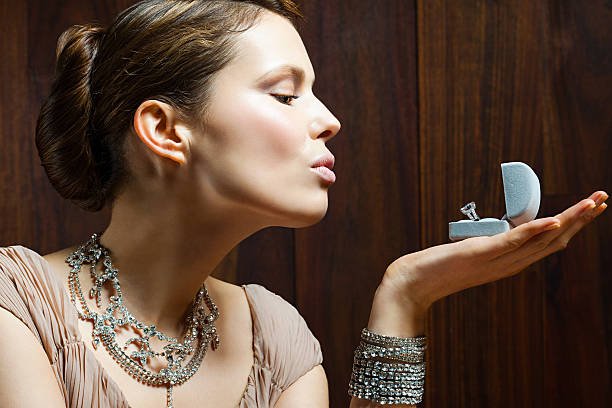

Designing a custom engagement ring is an opportunity to express personal style through thoughtful details, and metal choice is one of the most powerful design elements available. When exploring options through the Lily Arkwright website, many couples discover that mixing metals creates depth, contrast, and individuality while remaining timeless. A mixed metal engagement ring can highlight the center stone, complement skin tone, and bring together meaningful design influences in one refined piece.
Understanding the role of each metal is the first step toward a successful combination. White metals such as platinum and white gold are known for their clean and luminous appearance, making them ideal for enhancing diamond brilliance. Yellow gold introduces warmth and a classic feel, while rose gold adds a soft romantic tone with subtle vintage influence. When these metals are combined thoughtfully, they create balance rather than competition, allowing each element to enhance the overall design.
One popular approach to mixing metals is pairing a white metal setting with a colored metal band. A platinum or white gold setting keeps the diamond looking bright and colorless, while a yellow or rose gold band adds character and warmth. This technique works especially well for solitaire and halo designs, where the center stone remains the focal point while the band adds a personal signature.
Another elegant option is using contrasting metals to define different structural elements of the ring. For example, prongs or a bezel in a white metal can frame the gemstone, while the shank in yellow or rose gold creates visual interest. This subtle contrast is ideal for those who want a distinctive look without an overly bold statement. It also allows the ring to coordinate easily with other jewelry pieces in different metal tones.
For those who prefer more intricate styling, layered or split shank designs provide additional opportunities to blend metals. Alternating metal tones along the band or using accent details in a secondary metal can add dimension and movement. These designs often appeal to individuals who appreciate modern aesthetics combined with craftsmanship and fine detail.
Skin tone and lifestyle should also guide metal mixing decisions. Warm skin tones often pair beautifully with yellow and rose gold, while cooler skin tones are complemented by platinum and white gold. Mixing metals allows wearers to enjoy the benefits of both, creating a ring that feels natural and flattering. Lifestyle considerations matter as well, since platinum offers durability for everyday wear, while gold provides versatility and warmth.
Harmony is essential when mixing metals. Limiting the palette to two metals often creates a refined and cohesive look, while using three requires careful balance to avoid visual overload. Repeating each metal at least once in the design helps maintain consistency, whether through accent details, prongs, or engraving elements.
Custom design services from Lily Arkwright allow clients to experiment with metal combinations in a guided and thoughtful way. Expert designers help translate ideas into balanced compositions, ensuring that the final ring reflects both personal taste and long term wearability. Through careful planning, mixed metal engagement rings become a celebration of individuality and craftsmanship.
By blending metals with intention and creativity, a custom engagement ring can tell a richer story. Mixing metals is not just a design trend, but a timeless approach to creating a ring that feels unique, meaningful, and beautifully suited to the person who wears it.